National Mastitis Council Regional Meeting
De Bijloke, Gent, Belgium - August 12-14, 2024

Programme

Scientific Programme
August 12, 13 & 14

  • General Introduction
  • General Programme
  • Technology & Transfer Session

Technical Programme
August 12 & 14

  • Short Courses

Social Programme
August 12 & 13

  • Welcome Reception
  • Conference Dinner

Satellite Symposia
August 12 & 14

  • Boehringer Ingelheim
  • Ecolab & CID LINES

Monday, August 12, 2024

  • Time

  • Title

  • Speaker

  • 09:00-12:00

  • 14:00-17:00

  • Satellite Symposium powered by 

  • 17:30-18:50

  • General Session 1:  #AHeadFullofDreams

  • 17:30-17:45

  • Welcome by conference's chair

  • Dr. Sofie Piepers

  • 17:45-18:05

  • Welcome by NMC's president

  • Keith Engel

  • 19:00-19:30

  • Classical concert Continuo

  • 19:30-22:00

  • Welcome reception sponsored by

    &  

    Poster session sponsored by

  • Tuesday, August 13, 2024

  • Time

  • Title

  • Speaker/
    Moderator

  • 08:00-08:15

  • Welcome to the General programme

  • Dr. Zyncke Lipkens

  • 08:15-10:00

  • General Session 2:  #UpdateOnDiagnostics

  • Dr. Ben Enger

  • 10:00-10:30

  • Coffee break and Poster session sponsored by

  • 10:30-12:00

  • General Session 3:  #TrainingandCommunication

  • Dr. Fernando Nogueira de Souza

  • 12:00-13:00

  • Industry Lunch Fora

  • 12:30-13:00

  • A practical example of a holistic approach to controlling contagious mastitis pathogens
    Industry Lunch Forum 

  • Chairman: Dr. Bert Damiaans
    Speaker: Mag. med. Vet Matthias Riedel

  • 13:00-14:00

  • Lunch @De Bijloke

  • 14:00-15:00*

  • General Session 4:  #SmartFarmingandAutomation

  • Dr. Kristine Piccart

  • 15:00-15:30

  • Coffee break and Poster session sponsored by

  • 15:30-16:30*

  • General Session 5:  #DataAnalyticsandMonitoring

  • Dr. Anneleen De Visscher

  • 16:30-16:45

  • Summary of the day

  • Dr. Herman Barkema

  • 18:00-23:00

  • Conference dinner @Saint Peter's Abbey

  • Wednesday, August 14, 2024

  • Time

  • Title

  • Speaker/
    Moderator

  • 08:00-08:15

  • Welcome to the General programme

  • Dr. Karlien Supré

  • 08:15-10:00

  • General Session 6:  #AntimicrobialStewardship

  • Dr. Bruno Toledo-Silva

  • 10:00-10:30

  • Coffee break and Poster session sponsored by

  • 10:30-12:00

  • General Session 7:  #WhatWillTheFutureBring

  • Dr. Linda Tikofsky

  • 13:00-13:15

  • Adjourn General Programme

  • Dr. Sarne De Vliegher

  • 13:15-14:00

  • Light lunch

  • 14:00-17:00

  • 14:00-17:00

  • Satellite Symposium powered by 
  • The challenges for the dairy industry are continuously evolving. In recent years there are numerous new challenges that face the industry and that may have an impact on udder health. Among these are the challenges to reduce antimicrobial use, to reduce the carbon footprint of the industry, to reduce nitrogen and phosphorus emission, to improve animal welfare notably through allowing a long cow-calf contact, to decrease culling and improve life expectancy and more. These challenges will have impact on the housing, ration, management, financial returns and possibly also on health and particularly udder health. In this presentation these challenges for the dairy industry and the potential impact on udder health will be discussed. The resulting opportunities for the industry and the necessary directions for research and innovation will be presented.

    YHS buiten voor web

    Dr. Ynte Schukken

    Dr. Ynte Schukken is currently Chief Executive Officer at Royal GD in Deventer, the Netherlands and a Professor of Management of Farm Animal Health at Wageningen University and at the Veterinary College at Utrecht University. Dr Schukken’s research approach is based on understanding population dynamics of infectious diseases in animal populations and in application of epidemiological, statistical and mathematical methods to animal disease research.

    When discussing intramammary infections, terms such as culture, PCR, sequencing, MALDI-TOF, and more are often discussed with new tests and tools frequently becoming available.  Questions are often asked regarding the differences and potential benefits of each technique.  This presentation will give an overview of the currently available tests used to diagnose intramammary infections and considerations regarding usage and interpretation of results associated with each method.

    Pamela Adkins

    Dr. Pamela Adkins

    Dr. Pamela Adkins is an Assistant Professor of Veterinary Medicine and Surgery at the University of Missouri, College of Veterinary Medicine.  Adkins received her DVM and MS from the Ohio State University.  Her MS research was centered on the molecular epidemiology of foodborne pathogens.  She then received her PhD from the University of Missouri where her research focus was on the molecular characterization of staphylococcal species identified on dairy farms.  As a faculty member at the University of Missouri, Adkins provides care to livestock species in the Veterinary Health Center, teaches veterinary students, and conducts research.  Her current research is focused on heifer mastitis and continuing to work to understand the impacts of non-aureus staphylococcal species on the dairy farm.

    Whole genome sequencing (WGS) is at the forefront of diagnostic approaches for mastitis. While WGS offers unprecedented precision in identifying pathogens and resolving antibiotic resistance genes, its role in routine diagnostics remains under exploration. Questions about cost-effectiveness, widespread adoption by diagnostic labs, and specific use cases are still being addressed. Is the main value of WGS in sequencing isolates, or does shotgun sequencing of milk samples offer more advantages? The keynote will delve into these uncertainties, examining whether WGS is ready to revolutionize mastitis management and surveillance.

    Jeroen De Buck

    Dr. Jeroen De Buck

    Dr. De Buck is a Professor in Veterinary Microbiology and Research Chair in Bacterial Diseases of Dairy Cattle at the faculty of Veterinary Medicine of the University of Calgary. Dr. De Buck received an MSc in bioengineering sciences andhis PhD in Veterinary Medicine at Ghent University, Belgium. Dr. De Buck’s research program focuses on Johne’s disease, digital dermatitis and staphylococci in bovine mastitis, with the goal to develop new diagnostic methods and preventative interventions. Dr. De Buck is an expert in bacterial genomics and diagnostic test development. Dr. De Buck is author of 124 peer-reviewed articles and his research has received significant support from numerous dairy industry partners, with Alberta Milk being the most substantial contributor. Dr. De Buck’s contributions to his field have been recognized with several honors, including the 2022 Zoetis Award for Research Excellence and the 2018 Peak Scholar Award.

    Innovations in diagnostic methods can help to better identify the microorganisms causing bovine mastitis. MALDI-TOF analyses, for instance, can identify almost 300 different microorganisms cultured from bovine milk samples. However, not all of these microorganisms are necessarily pathogenic for the cow. Who are the real foes? How can we deal with these “new” microorganisms with exotic names.

    Daryna Kurban

    Dr. Daryna Kurban

    Daryna Kurban is a Veterinary Medicine Doctor of safety and quality of agricultural food graduated in 2018 from Dnipro State Agrarian and Economic University (Dnipro, Ukraine). Currently, she is completing her Ph. D. degree in veterinary epidemiology at the Faculty of veterinary medicine of Université de Montréal (QC, Canada). Her thesis’ main objective is to determine the effect of staphylococci intramammary infections on udder health and milk production in dairy cows. Daryna has experience in working for dairy herd improvement services: in milk quality laboratory in Canadian-Ukrainian project for development of milk sector in Ukraine and as research professional in I&D department at Lactanet (QC, Canada). Always curious about veterinary laboratory diagnostic, her main research interests are focused on dairy herd health issues’ diagnostics.

    Simon Dufour

    Dr. Simon Dufour

    Simon Dufour is a professor of veterinary epidemiology at the Université de Montréal’s Faculty of veterinary medicine. He currently leads the Op+lait research group, and he is Co-director of the Chair in biosecurity of dairy production. He is passionate about mastitis epidemiology and also work on monitoring usage of antimicrobials in dairy animals. He has a strong expertise in diagnostic strategies, control of infectious diseases, and development of data visualization tools for monitoring and benchmarking health issues. Above all, he is passionate about learning and teaching.

    This talk will outline why it is important for farms and their management teams to be assessing and monitoring the dry-off procedure on their dairies.  I will review the findings from a recent training grant in which we assessed the dry-off procedure on 15 dairies in Northern New York and were very surprised by what we found.  In addition, I will outline an e-learning system that we developed and discuss how participants could utilize this type of approach as a way to assess, train, and monitor over time the employees performing the dry-off procedure on dairies in which they are involved.

    Paul Virkler

    Dr. Paul Virkler

    Dr. Paul Virkler was born and raised on a small dairy farm in Lewis County, NY.  He attended Cornell University where he obtained both his BS and DVM and then spent seven years as a cattle veterinarian at Attica Veterinary Associates in Western NY.  He subsequently worked at DeLaval as a technical services veterinarian covering North America and then at the Animal Health Diagnostic Center in the Veterinary Support Services unit.  Currently Dr. Virkler is working as an extension veterinarian for Quality Milk Production Services where he provides science based advice to dairy producers and their veterinarians as an integral part of their udder health and milk quality teams.  He also teaches milk quality related courses and is involved in ongoing applied research in the area of udder health, milking equipment, mastitis, and milk quality.

    How can we communicate on mastitis management in a way that inspires our farm clients? This question is at the heart of this talk, exploring how advisors may benefit from adopting principles from Motivational Interviewing (MI) – an evidence-based, goal-oriented communication methodology developed in the medical sciences – in their herd health advisory roles.

    Alison Bard

    Dr. Alison Bard

    Alison Bard is a Senior Research Associate at the Bristol Veterinary School, part of the University of Bristol. Alison’s PhD examined Motivational Interviewing (MI) and vet-client communication, providing a detailed picture of the current advisory and communication strategies employed by UK cattle vets in the pursuit of change and the feasibility of MI applied in this context. She has provided training in MI to animal health and welfare professionals both nationally and internationally and is passionate about enhancing the vet-farmer advisory experience. Alison currently works within Bristol’s interdisciplinary research group focused on antimicrobial resistance (the ‘AMR Force’), pursuing her passion for understanding the complexities of vet and farmer behaviour and inspiring change in this professional context.

    Join me on a journey as we explore the essential elements driving success on today’s dairy farms. In this presentation, we’ll dig into the essential factors that motivates farming practices into change. From strategic planning to actual action on farm, discover how to navigate change effectively and turn challenges into opportunities. Together, we’ll unlock the secrets to sustainable growth, the power of motivation and determination your farms towards success. Let´s cultivate change together!”

    Paulina Lingers

    Dr. Paulina Lingers

    Paulina Lingers VMD,  animal health consultant, project- and business development, Växa in Sweden. Växa is the largest association of cattle farmers in the country. I´m a project leader and participant in a range of projects including communication and animal health. In my role includes developing new ways for better collaboration within Växa and towards other companies. My specialty is to make research and research results more understandable for farmers. To make things happen on farm.

    This session highlights how AHV’s products support natural cow defenses against common pathogens without antibiotics, reducing mastitis rates and improving overall milk quality.  The discussion will include case studies from European dairy farms and analytical data, emphasizing reduced somatic cell counts and enhanced dairy cow longevity.

    Geoff Ackaert

    Geoff Ackaert

    Geoff Ackaert, Technical Director at AHV International since 2022, stands out as an Industry-savvy expert in animal health.

    His robust background includes a veterinary specialization in ruminants, complemented by an Executive MBA that has sharpened his strategic and operational expertise in animal health. Geoff’s professional achievements span significant roles where he spearheaded product development and market expansion efforts for veterinary pharmaceuticals across Europe and Asia. At AHV, Geoff leverages his vast expertise to revolutionize ruminant health care with an approach that challenges the status quo and delivers outstanding results, transforming industry practices with bold, unconventional strategies.

    Commercial sensor technology to detect mastitis is widely available today, but generally does not meet the specific needs of the farmer and veterinarian. What is expected from an udder health sensor and monitoring system and how far is current technology away from this necessity?

    Ben Aernouts

    Dr. Ben Aernouts

    Ben Aernouts is assistant professor in “Management in Livestock Production” at the Faculty of Engineering Technology, KU Leuven Campus Geel. His research group focuses on the development, implementation and validation of innovative sensor technology and data-processing algorithms to support livestock production, including the monitoring of recovery and cure after mastitis, modelling milk yield dynamics and on-farm milk quality monitoring.

    Udder diseases, especially mastitis, are still one of the main causes of economic loss on dairy farms. New technological processes, such as sensors, make it possible to detect changes in udder health even before the first clinical signs and to take measures at an early stage by recording animal-individual metrics. These technologies could lead to a reduction in serious illnesses and treatment costs. What is already possible today? Where will the journey take us? A brief overview.

    Daniela Marthold

    Dr. Daniela Marthold

    Daniela Marthold from Germany, 40 years old. Studied agriculture in Nürtingen and Göttingen. PhD in livestock science in Göttingen with a focus on reproduction management in cattle. Independent consultant for dairy farms, working in the field of feed additives and rumen fermentation since 2013. Extensive trials with smaXtec rumen pH bolus since 2017. Since March 2023 working for smaXtec in cattle specialty consulting in the DACH+ region. Focus of consulting is on intraruminal pH measurement and improvement of production figures.

    In this presentation,  opportunities for handling and using data from both old and new sources of data will be covered.  Both new ways of looking at old data and new sources of data will be presented.

    Jeffrey Bewley

    Dr. Jeffrey Bewley

    Dr. Jeffrey Bewley is from Rineyville, Kentucky where he grew up working on his grandfather’s dairy farm. He received a B.S. in Animal Sciences from the University of Kentucky in 1998. In 2000, he completed his M.S. in Dairy Science at the University of Wisconsin-Madison under the direction of Dr. Roger Palmer with a focus on dairy modernization. His PhD work under Dr. Mike Schutz at Purdue University focused on the application and economics of Precision Dairy Farming technologies. For 9.5 years, Jeffrey was on the faculty at the University of Kentucky as an Extension Dairy Specialist. He has also worked with IceRobotics, PerforMix Nutrition, BoviSync, and Alltech.  Dr. Bewley is currently Dairy Analytics and Innovation Scientist with Holstein Association USA.

    Machine learning methods are part of our everyday lives, so how can they help us to assess and reduce mastitis. This presentation will focus on the development of machine learning/ artificial intelligence and how we can utilise these methods for improving udder health on dairy farms, especially through the use of prediction outcomes. In brief, it will cover the following: background to machine learning, examples of current use, and then explore opportunities for potential future development.

    Jake Thompson

    Dr. Jake Thompson

    Jake graduated as a veterinary surgeon from the University of Nottingham in 2017 and completed a PhD in 2021, entitled “The impact of living space on dairy cow production, reproduction and welfare”. After his PhD, Jake continued to work at the University part time as a Research Fellow and externally as a clinical veterinarian in private farm animal practice. Since 2023, Jake has held the title of Clinical Assistant Professor in Farm Animal Health, teaching dairy herd health to final year veterinary students and undertaking research in areas of machine learning, mastitis, positive welfare and the housed environment for dairy cows.

    Antimicrobial resistance is one of the most significant global challenges of our time. This wicked, One Health problem has risen to attention across the livestock industries in many countries, sometimes fuelled by misinformation in the popular media. The dairy industry arguably uses fewer antimicrobials per kilogram of animal liveweight than some other livestock industries, but many dairy farmers still use antimicrobials classified as critical to human health, and in a prophylactic manner. Several knowledge gaps about antimicrobial use and antimicrobial resistance across the dairy industry and their impacts on both animal and human health still exist and are important for dairy stakeholders to understand and be able to communicate about with scientists, policy makers and consumers alike.

    Kristen Reyher

    Dr. Kristen Reyher

    Kristen Reyher is Professor of Veterinary Epidemiology and Population Health at the Bristol Veterinary School, part of the University of Bristol. She has worked in livestock veterinary practice in three countries and holds a Doctorate of Veterinary Medicine from Cornell University in New York state as well as a PhD in veterinary epidemiology from th Atlantic Veterinary College in Prince Edward Island. Kristen currently leads an interdisciplinary research group (the AMR Force) focussed on antimicrobial stewardship, use and resistance. Their work has a One Health focus which weaves together a multitude of disciplines, from laboratory to social sciences, with a focus on reliable and shareable data. Kristen’s approach is participatory and she enjoys working with a broad range of academics and stakeholders. She is interested in making research more accessible (and accomplish-able) to veterinary practitioners, farmers and citizens across the globe.

    Sam will aim to address these questions about selective dry cow therapy:

    1. What protocols can maximise health outcomes for cows and economic returns for dairy farms?
    2. What are the most accurate and efficient methods for selecting cows at dry-off?
    3. Can artificial intelligence do a better job than traditional data-based algorithms?
    4. Should we stop using dry cow antibiotics altogether?
    Camden headshots February 2022. Sam Rowe

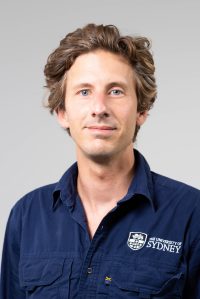
    Dr. Sam Rowe

    Sam Rowe is a herd health veterinarian, teacher, and researcher at the University of Sydney. With a career spanning 13 years in clinical practice and academic pursuits, Sam holds a Masters from Massey University, New Zealand, and a PhD in mastitis epidemiology from the University of Minnesota, USA. Sam’s interdisciplinary approach, incorporating epidemiology, data science, microbiology, and production animal medicine, addresses practical challenges in livestock production. His work contributes to sustainable food animal production, with a focus on pragmatic solutions for farmers and veterinarians.

    Antibiotics have been used to treat clinical mastitis for decades but not all pathogens require or respond to antibiotic therapy and using antibiotics only when necessary forms the basis of antibiotic stewardship programs.  Selective treatment programs for non-severe clinical mastitis reduce unnecessary antibiotic usage and have been used for more than 20 years.  During that period, various methods of case selection, strategies for treatment and evaluation of outcomes have been conducted.  Tis presentation, will focus on reviewing the evolution of selective treatment programs and discuss ways to optimize current antibiotic treatment strategies.

    Pam Ruegg

    Dr. Pam Ruegg

    Dr. Ruegg currently holds the David J. Ellis Chair in Antimicrobial Resistance and Large Animal Clinical Sciences in the College of Veterinary Medicine at Michigan State University and is focused on research and outreach that help to improve animal health and farm sustainability.  She previously served as chair of the Dept. of Animal Science at MSU and spent 20 years as a Professor and extension milk quality specialist in the Dept. of Dairy Science at the University of Wisconsin, Madison and has had varied professional experiences including private veterinary practice, academic positions at both Atlantic Veterinary College in Prince Edward Island, Canada, and the College of Veterinary Medicine at MSU and corporate technical service.

    In my talk, I will discuss bacteriophages and their derived enzymes as next-generation antimicrobials that are on the verge of breakthrough for the prevention and control of bovine mastitis. While the primary focus will lie on Gram-positive mastitis, I will also briefly touch upon emerging strategies aimed at addressing Gram-negatives. Moreover, I will introduce cutting-edge techniques that facilitate their engineering, transforming them into compounds with capabilities that surpass their conventional antimicrobial activity. Drawing from my own work from the past years, I will highlight their efficacy in intracellular killing, biofilm eradication, and activity within raw cow’s milk. Going beyond these scientific aspects, I will briefly cover the regulatory landscape surrounding both bacteriophages and their derived enzymes for veterinary and human use. Additionally, I will provide an overview of animal and human health companies that have disclosed publicly to have bacteriophages and -derived enzymes currently in their R&D pipeline. This comprehensive overview aims to underscore the potential of these innovative antimicrobials and their significant implications for the near and far future of combating bovine mastitis, and beyond.

    Niels Vander Elst

    Dr. Niels Vander Elst

    Niels was awarded a prestigious fellowship from the Belgian American Educational Foundation (BAEF) to start his own research project at an American University in continuation of his veterinary medicine studies. Niels moved to the USA in 2019 to start his PhD at the Institute for Bioscience and Biotechnology Research, associated to the University of Maryland, where he focused on investigating bacteriophage-derived enzymes (endolysins) as promising novel antimicrobials for bovine mastitis. Upon termination of his one-year doctoral research stay in the USA, Niels successfully received additional personal funding from Research Foundation Flanders (FWO) to finish his interdisciplinary PhD project as an interuniversity collaboration between the groups of Prof. dr. Rob Lavigne (KULeuven), Prof. dr. Yves Briers (UGent) and Prof. dr. Evelyne Meyer (UGent). During his FWO mandate from 2020 to 2023, Niels contributed to international conferences, published several first-authored manuscripts and managed to file two patent applications, one full patent in Europe and one provisional patent in the USA. The latter was selected as finalist for the ‘Invention of the Year’ award by the University of Maryland. Immediately after completion of his PhD, Niels proceeded with his academic career in the team of Prof. dr. Federico Iovino at the Karolinska Institute in Stockholm, Sweden, supported by a postdoctoral scholarship from the Swedish ‘Kronprinsessan Lovisas Förening För Barnasjukvård / Stiftelsen Axel Tielmans Minnesfond’. Niels continues to engineer bacteriophage-derived endolysins, now with a focus on human health to tackle pneumococcal meningitis in children and newborns.

    Mastitis genomics has traveled two complementary paths – one focused on identifying superior animals and the other focused on identifying genes and pathways associated with different levels of susceptibility. Both will help us better control mastitis in the future. This presentation will initially review the process of genomic selection, phenotypes relevant to mastitis, application and effectiveness of these strategies, and what the future holds. We also will highlight key findings from genome-wide association studies that indicate critical genes & processes associated with varying levels of clinical or subclinical mastitis. These findings will be placed in the context of immunity and mastitis pathogenesis to help prioritize future targets that would enhance either the effectiveness or identification of preventive and therapeutic strategies. 

    _empty

    Dr. Gina Pighetti

    Dr. Gina Pighetti’s research & education interests focus on minimizing mastitis in dairy cows. She retired from The University of Tennessee after 20 years as a professor. She received awards to work directly with dairy farmers to develop best management practices, as well as to pursue more fundamental research using genomics to identify at risk animals and related changes in immunity and disease resistance.  She has published and presented her work nationally and internationally in these focus areas.  Dr. Pighetti received her PhD from Penn State University in 1998 and is currently serving as a consultant and enjoying her variety of animals on her family’s farm.

    This presentation will cover key aspects to feed additives, metabolism, and their influence on mastitis risk. An emphasis will be placed on practical nutritional strategies to improve mammary gland health during the transition period.

    Turner Swartz

    Dr. Turner Swartz

    Turner is originally from a dairy farm in central Pennsylvania. He attended Penn State for his bachelor’s degree in Animal Sciences. He then worked as a herdsman for 5 years. After which, he attended Virginia Tech where he pursued his PhD in dairy cattle health under the guidance of Dr. Christina Petersson-Wolfe. Following his time at Virgina Tech, he completed a postdoctoral fellowship under the mentorship of Dr. Barry Bradford at Michigan State University focused on immunometabolism and nutritional physiology. Today, Turner is an Assistant Professor at

    South Dakota State University. His lab focuses on nutritional and management strategies to improve dairy cattle health.

    Intramammary antibiotics and internal teat sealants infusion at dry-off have been used to prevent intramammary infections in dairy cows during the dry period and reduce the risk of mastitis during the dry period and subsequent lactation. Their impact on dairy cow health, production, antimicrobial resistance and milk microbiota will be presented with emphasis on antibiotics and how such data may inform future selective dry-cow therapy.

    Sharif Aly

    Dr. Sharif Aly

    As a veterinary epidemiologist and biostatistician, Sharif Aly’s research focuses on study design and analytical methods to advance dairy cattle health and welfare, public health and food safety. Aly’s Dairy Epi Lab is located in Tulare (pronounced: Too-Larry), California, at the heart of the nation’s dairy industry where he researches mastitis impact, diagnostics and prevention and control.

    Recent years have brought new insights into the complex network of immune mechanisms that shape the outcome of intramammary infections. This talk will highlight novel research on how systemic endocrine and metabolic challenges affect the immune response in the udder, what we can learn from characterizing immune cell populations in healthy and infected quarters, and what biomarkers appear as promising new tools to further our understanding of the immune dynamics in the mammary gland.

    Anja Sipka

    Dr. Anja Sipka

    Dr. Sipka has earned her degree in Veterinary Medicine in 2006 at the Justus Liebig University in Giessen, and her doctoral degree in bovine immunology in 2009 at the University of Veterinary Medicine, Hannover, both in Germany. In 2011 she joined the College of Veterinary Medicine at Cornell University, in Ithaca, New York, for her postdoctoral work, studying immune response dynamics of udder infections in experimental mastitis models. From 2016 to 2022 Dr. Sipka was a Research Associate with Quality Milk Production Services, Animal Health Diagnostic Center (AHDC), Cornell University, supporting milk quality and udder health on dairy farms across New York State and conducting research on host pathogen interaction in mastitis and transition cow immunology. Since 2022 she is an Assistant Professor of Practice with the Serology and Immunology Laboratory at the AHDC where her current research goal is to define biomarkers for bovine inflammation and develop new assay platforms.